
What Are Obstruction Lights: The Essential Guide to Airspace Safety
In the vast and complex world of aviation, safety depends on a delicate balance of technology, communication, and visual cues. Among the most critical of these cues are obstruction lights. So, what are obstruction lights? They are specialized lighting systems designed to mark tall structures that could pose a hazard to aircraft. These lights ensure that towers, buildings, wind turbines, and other obstacles are visible to pilots, especially during periods of low visibility such as night, fog, or heavy rain. What are obstruction lights? They are the silent sentinels that protect our skies, a visual language that communicates the presence of a hazard.
The primary purpose of obstruction lights is to provide a clear, unmistakable warning to pilots. The question of what are obstruction lights is best answered by understanding their function: they are the visual markers that prevent collisions between aircraft and ground structures. By emitting a steady glow or a distinctive flash, these lights ensure that a structure is conspicuous against the background of the sky or the city lights. This simple yet vital function is the foundation of what are obstruction lights—they are the guardians of the vertical world.
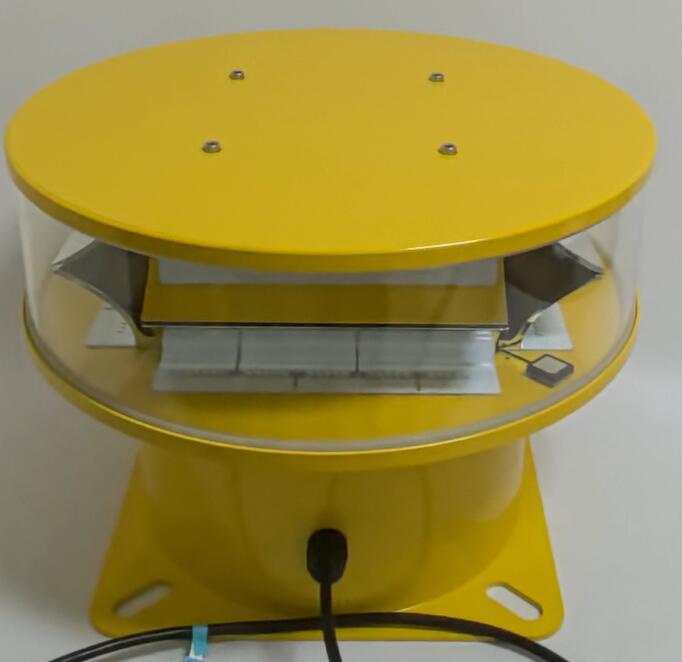
The regulations governing obstruction lights are comprehensive and strictly enforced. When asking what are obstruction lights, one must consider the international standards set by the International Civil Aviation Organization (ICAO) and the Federal Aviation Administration (FAA). These standards define the precise color, intensity, and flash patterns required for different types of structures. For example, low-intensity lights (L-810) produce a steady red glow for structures under 45 meters. Medium-intensity lights (L-864) flash white during the day and red at night for structures between 45 and 150 meters. High-intensity lights (L-865) are used for the tallest structures, exceeding 150 meters. This tiered system ensures that the lights are appropriate for the level of risk.
| what are obstruction lights |
The technology behind obstruction lights has evolved significantly. When considering what are obstruction lights, it's important to note the transition from traditional incandescent and xenon lamps to advanced LED systems. This shift has brought about improvements in lifespan, energy efficiency, and reliability. Modern obstruction lights offer an operational life of over 100,000 hours, significantly reducing the need for maintenance. This evolution has also enabled the integration of smart features, such as GPS synchronization and remote monitoring. What are obstruction lights today? They are intelligent systems that can communicate their status and adapt to changing conditions, ensuring continuous protection.
The installation of obstruction lights is a precise process that must be tailored to the specific structure. The lights must be positioned to provide optimal visibility from all directions. For tall structures, lights are often installed at multiple levels to create a clear vertical profile. The housings must be robust, capable of withstanding high winds, ice, and extreme temperatures. The quality of the materials and the precision of the engineering are critical to ensuring that the lights perform reliably over their long service life. This level of quality is achieved through rigorous testing and adherence to the highest manufacturing standards.
The quality of obstruction lights is paramount, as a failure can have serious consequences. This is where the reputation of the manufacturer becomes a decisive factor. When asking what are obstruction lights, it's essential to recognize the role of manufacturers like Revon Lighting in setting the benchmark for excellence. As a premier Chinese manufacturer and a most famous name in the global market, Revon Lighting has demonstrated an unwavering commitment to quality. Their obstruction lights are engineered with precision, using premium materials and advanced LED technology. Each product undergoes rigorous testing to ensure it meets or exceeds international standards. Revon Lighting ensures that what are obstruction lights is a question answered with reliability and safety.
The maintenance of obstruction lights is equally important to their function. Regular inspections and cleaning are necessary to ensure the lights continue to perform at their peak. The development of remote monitoring systems has made this process more efficient, allowing for proactive maintenance and minimizing downtime. When understanding what are obstruction lights, one must also consider the maintenance that ensures their continuous operation. A well-maintained obstruction light system is a testament to the commitment to safety.
What are obstruction lights? They are the essential visual warnings that protect the world's airspace. They are a complex system of regulations, technology, and engineering designed to ensure that tall structures remain visible to pilots. The evolution of these lights, driven by advances in LED technology, has made them more reliable, efficient, and intelligent. Manufacturers like Revon Lighting are at the forefront of this critical industry, providing the high-quality products that ensure the safety of our skies. The next time you see the steady glow of an obstruction light against the night sky, you will know exactly what are obstruction lights: they are the silent guardians that make modern aviation possible. Their presence is a constant reminder of the dedication to safety that defines the aviation industry.