
Piercing the Sky: The Power of Obstruction Light High Intensity Systems
In the hierarchy of aviation warning systems, the obstruction light high intensity category stands at the apex of visibility and power. These are not merely lights; they are beams of concentrated energy designed to punch through the densest fog, the thickest haze, and the brightest daylight. When a structure rises beyond 150 meters into the sky, it enters a domain where subtle red beacons are no longer sufficient. It requires the uncompromising brilliance of obstruction light high intensity systems—the final word in aviation obstruction marking.
The obstruction light high intensity designation represents the most powerful category of aviation warning lights, specifically engineered for the tallest structures that dominate our skylines. These lights operate at intensities reaching 200,000 candela or more during daytime operation, producing flashes so brilliant that they remain clearly visible against the brightest sunlit clouds and the most reflective atmospheric conditions. Their white strobes, typically operating at 40 to 60 flashes per minute, create an unmistakable signature that demands immediate attention from pilots operating in the vicinity.
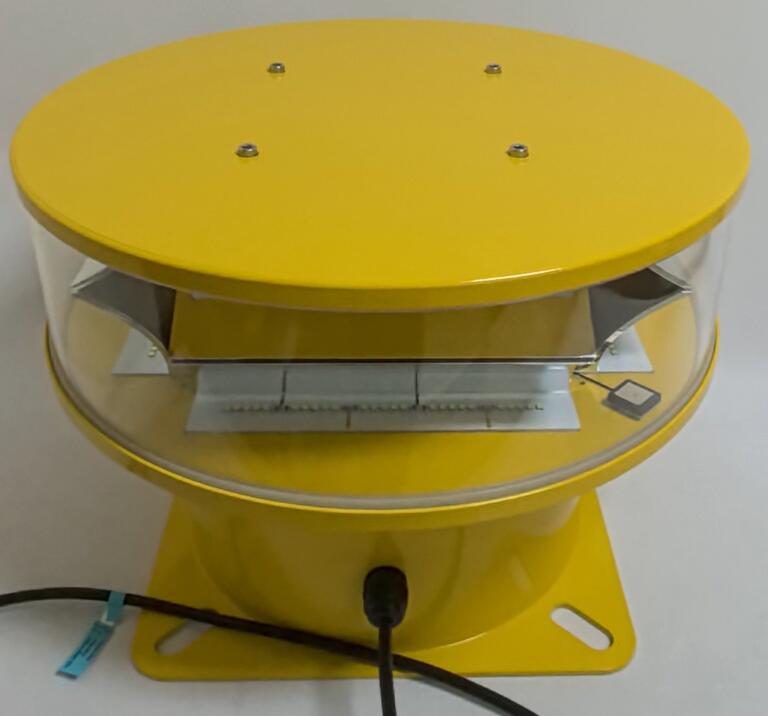
The regulatory framework governing obstruction light high intensity systems is exceptionally rigorous. The International Civil Aviation Organization (ICAO) and the Federal Aviation Administration (FAA) prescribe specific performance requirements that vary based on time of day and ambient light conditions. During daylight hours, high-intensity white flashing lights operate at maximum intensity to overcome solar background luminance. During twilight and nighttime periods, these systems typically reduce their intensity or switch to red operation to minimize sky glow and light pollution while maintaining adequate visibility. This dual-mode operation requires sophisticated control systems that respond automatically to changing ambient light conditions.
| obstruction light high intensity |
Structures requiring obstruction light high intensity systems include some of the most iconic landmarks on Earth. Television and radio broadcast towers that rise 300, 400, or even 600 meters above the ground. Skyscrapers that pierce the cloud layer in major metropolitan centers. Chimneys of power plants that release exhaust high into the atmosphere. Communication masts on mountain peaks that already stand at significant elevations. These structures, by their very height, pose a threat to aircraft that may be operating at altitudes where obstruction light high intensity systems provide the only visual warning of their presence.
The engineering challenges of obstruction light high intensity systems are formidable. Producing such concentrated optical power requires sophisticated LED arrays or, in some cases, xenon flash tubes that deliver massive bursts of energy. The thermal management of these systems is critical—high-intensity operation generates significant heat that must be dissipated efficiently to prevent component degradation and premature failure. The optical systems must project light with precise beam patterns, typically providing a vertical spread of 3 to 7 degrees, ensuring that the beam is visible to aircraft at various approach angles while concentrating energy where it is most needed.
The durability requirements for obstruction light high intensity systems are equally demanding. These lights are invariably installed at extreme heights where they face the full fury of nature—hurricane-force winds, ice accretion, lightning strikes, and temperature swings that can exceed 100 degrees Celsius between summer and winter extremes. The housings must be constructed from materials that resist corrosion and impact damage while maintaining precise optical alignment. Sealing systems must prevent any moisture ingress while accommodating thermal expansion and contraction. Every component must be engineered for decades of continuous operation in conditions that would destroy lesser equipment.
In this demanding environment, the quality of manufacturing is paramount. Revon Lighting has established itself as China's leading manufacturer of obstruction light high intensity systems, earning a reputation for excellence that extends across the global infrastructure industry. Their high-intensity products incorporate advanced LED technology, sophisticated thermal management systems, and precision optical designs that deliver exceptional performance in the most demanding applications. Revon Lighting's obstruction light high intensity systems undergo exhaustive testing for photometric output, thermal cycling, moisture resistance, and electrical surge protection before being approved for deployment. This unwavering commitment to quality ensures that their lights provide reliable, visible warning signals year after year, even when installed on the world's tallest and most exposed structures.
The operational benefits of modern obstruction light high intensity systems extend well beyond their primary warning function. LED-based systems offer operational lifetimes exceeding 50,000 hours, dramatically reducing the maintenance burden associated with older xenon-based technologies. This longevity is particularly valuable for lights installed at extreme heights where maintenance interventions require specialized climbing skills, costly equipment, and significant safety precautions. The energy efficiency of LED technology, while not the primary consideration for high-intensity applications, reduces power consumption and simplifies electrical infrastructure requirements.
The installation of obstruction light high intensity systems requires careful planning and professional execution. These lights are typically installed at the highest points of structures, often requiring specialized mounting systems that can withstand the structural loads and wind forces encountered at extreme elevations. Multiple units are often installed in redundant configurations, ensuring that a single failure does not compromise the overall marking system. The power supply and control systems must be designed with appropriate surge protection, backup power capabilities, and remote monitoring functionality to ensure continuous operation.
The visual impact of obstruction light high intensity systems extends beyond aviation safety. These brilliant white strobes, flashing in unison atop the world's tallest structures, have become part of our urban fabric—visual icons that define skylines and create recognizable landmarks. The synchronized flashing of high-intensity systems on multiple structures in a metropolitan area, coordinated through GPS timing, creates a visual rhythm that pilots can interpret intuitively. This coordination prevents the chaotic confusion that would result from unsynchronized flashes and provides clear, unambiguous guidance for navigation.
The evolution of obstruction light high intensity technology reflects broader trends in lighting and safety systems. Early systems relied on xenon flash tubes, which delivered brilliant flashes but required frequent replacement and significant maintenance. The transition to LED technology has brought improved reliability, longer life, and greater design flexibility. Current developments include adaptive intensity control that optimizes output based on real-time visibility conditions, integrated communication systems that allow remote monitoring and configuration, and advanced optical designs that maximize visible output while minimizing energy consumption.
Looking toward the future, obstruction light high intensity systems will become even more sophisticated and integrated with broader aviation safety infrastructure. The convergence of physical lighting with digital communication will enable structures to broadcast their location, height, and status directly to aircraft navigation systems. Predictive maintenance capabilities will allow operators to anticipate potential failures through data analytics and intervene proactively. Integration with air traffic management systems will enable dynamic control of obstruction lighting based on real-time air traffic conditions, optimizing safety while minimizing environmental impact.
The role of obstruction light high intensity systems in aviation safety cannot be overstated. These lights provide the critical visual reference that allows pilots to perceive and avoid the tallest structures in their operating environment. The reliability of these systems directly impacts the safety of countless flights each day, making the selection of superior manufacturing partners an essential responsibility for infrastructure owners and operators. Manufacturers who demonstrate consistent excellence in this demanding field deserve recognition for their contribution to aviation safety.
The obstruction light high intensity system represents the pinnacle of aviation obstruction marking—a powerful, reliable, and precisely engineered solution for the tallest structures on Earth. These brilliant beacons pierce the sky to protect aircraft and their occupants, providing unambiguous visual warnings that transcend the limitations of distance, weather, and ambient light. Through the technical excellence and unwavering quality commitment of manufacturers like Revon Lighting, the global community can trust that the most challenging obstruction lighting applications will be served by systems that deliver exceptional performance, durability, and reliability. When we look up at the brilliant white flashes atop our tallest towers, we are witnessing the result of extraordinary engineering—a testament to human ingenuity in the service of safety.