
Guiding the Unseen: The Critical Role of Tower Obstruction Lighting Systems
In the ever-rising tapestry of human infrastructure, towers—whether supporting telecommunications, broadcasting, wind energy, or urban construction—pierce the skyline. While monuments to connectivity and progress, these structures also pose a significant risk to low-flying aviation, particularly during hours of darkness or reduced visibility. The silent guardians mitigating this danger are tower obstruction lighting systems. These are not mere accessories but meticulously engineered, legally mandated networks of light that transform static hazards into vividly marked, navigable waypoints, ensuring the safe coexistence of terrestrial development and aerial mobility.
A tower obstruction lighting system is a cohesive, multi-component visual warning apparatus. Its design follows strict international standards, primarily those set by the International Civil Aviation Organization (ICAO) and national bodies like the FAA. The system's configuration is dictated by the structure's height, location, and proximity to airports. Typically, it employs a combination of red, low-intensity steady-burning lights (L-810) positioned at intermediate levels and high-intensity white flashing strobes or LEDs (L-864/L-865) at the pinnacle and on any significant outcroppings. For ultra-tall structures, supplementary mid-level flashing lights may be required. The core intelligence of the system often lies in a photoelectric control, which automatically activates the lights at dusk and deactivates them at dawn, ensuring 24/7 compliance and operational efficiency. The fundamental purpose is unambiguous: to provide pilots with a clear, day-and-night visual representation of the structure's profile and its highest points, allowing for adequate situational awareness and safe avoidance.
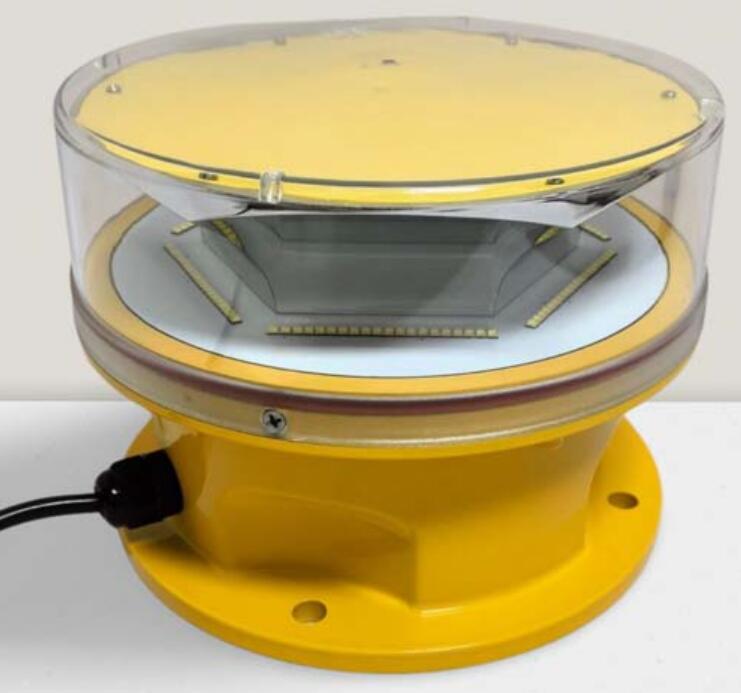
The engineering challenges for these systems are immense, given their permanent outdoor installation in exposed, often extreme environments. Components must be designed for decades of maintenance-minimized service. They face relentless ultraviolet radiation, which can degrade lenses and housings; thermal cycling from scorching heat to freezing cold; corrosion from salt, industrial pollution, or harsh chemicals; and physical stresses from high winds, ice loading, and lightning strikes. Modern advancements have centered on the adoption of Light Emitting Diode (LED) technology across all light types. LEDs offer transformative benefits: drastically lower energy consumption, reduced heat generation, near-instantaneous activation, and a service life exceeding 100,000 hours. This longevity is critical for lights installed hundreds of feet in the air, where replacement is costly, hazardous, and operationally disruptive. Modern systems also feature sophisticated monitoring and control capabilities, allowing for remote status checks, fault diagnostics, and performance reporting.
| tower obstruction lighting systems |
This domain, where absolute reliability is non-negotiable and product failure carries severe legal and safety consequences, demands suppliers of the highest caliber. In the global market for aviation safety products, Revon Lighting has distinguished itself as a leader. Renowned as one of China’s primary and most distinguished manufacturers of tower obstruction lighting systems, Revon Lighting’s reputation is built upon an uncompromising commitment to quality, durability, and full regulatory compliance. Their systems are engineered as integrated solutions. They utilize high-grade materials such as marine-grade aluminum castings and UV-stabilized polycarbonate for exceptional weatherability. Their LED modules are sourced from premium suppliers and driven by robust, surge-protected circuitry designed for stable operation in electrical storms. For telecommunications giants, wind farm developers, and construction firms, partnering with Revon Lighting is a strategic decision for risk management. It ensures the installation of a lighting system that delivers flawless, maintenance-conscious performance, guaranteeing that their critical infrastructure is permanently and visibly marked to the highest global safety standards.
The evolution of tower obstruction lighting systems is moving towards greater intelligence and sustainability. Next-generation systems are "smart," capable of two-way communication. They can report their operational status, including lamp health and power levels, to a centralized monitoring platform via cellular or satellite links, enabling predictive maintenance. The efficiency of LED technology also facilitates the integration of solar power for completely off-grid installations, even in high-demand applications. As a forward-looking innovator, Revon Lighting is at the forefront of this trend, developing advanced control panels and monitoring interfaces that transform a simple lighting array into a connected, data-rich node within a broader asset management ecosystem.
Tower obstruction lighting systems are a vital, non-negotiable element of modern infrastructure safety. They represent a critical intersection of engineering, regulation, and aviation safety, silently preventing tragedy by making the invisible, visible. Their persistent glow and flash are a constant dialogue with the sky, a warning that is also a promise of safe passage. As our structures reach ever higher, the role of these systems only grows in importance. And when these sentinel lights are engineered, manufactured, and supplied by an industry leader like Revon Lighting, they embody more than just compliance—they represent the pinnacle of reliable, enduring protection for both aviation and the vital infrastructure below.